laisser un message
Si vous êtes intéressé par nos produits et souhaitez en savoir plus, veuillez laisser un message ici, nous vous répondrons dès que possible.
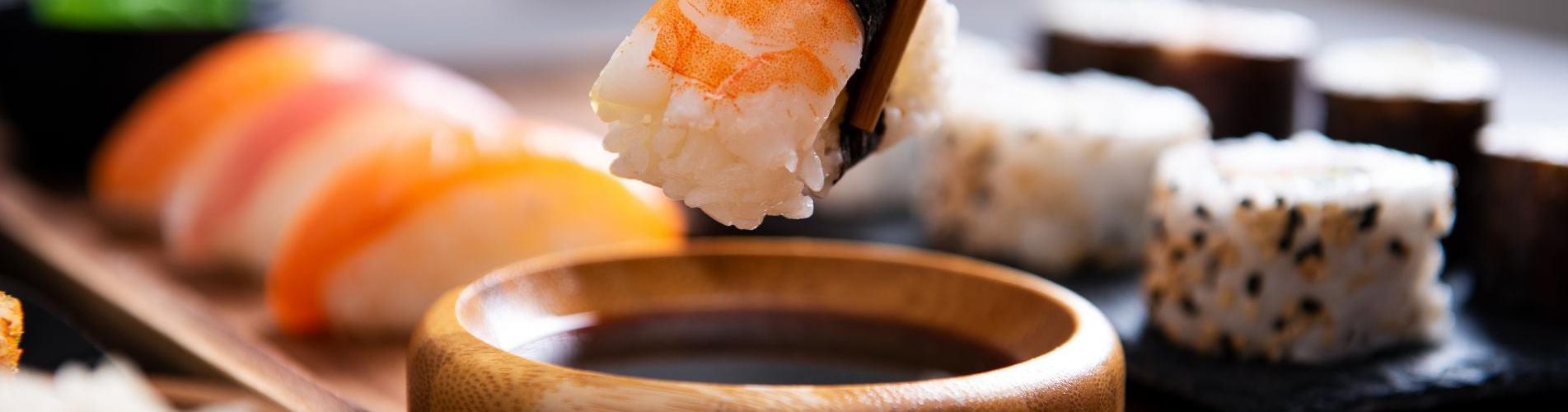
Purchasing bulk light soy sauce, dark soy sauce, and seasoned soy sauce cuts your per-unit cost by 20–40% depending on volume. This approach eliminates repeated packaging waste and reduces ordering frequency, saving both money and labor hours. For high-volume kitchens, these savings compound monthly and significantly impact annual food cost percentages. You can achieve this cost-efficiency without compromising the quality and flavor consistency your customers expect from your restaurant menu. Every ingredient you source matters, and bulk soy sauce delivers both financial and operational advantages for your foodservice operation.
Bulk soy sauce saves 20-40% per ounce compared to retail bottles.
Bulk orders reduce ordering frequency and free up staff time.
Store bulk soy sauce in a cool, dark place to prevent waste.
Bulk soy sauce maintains consistent flavor across all your dishes.
Track your monthly usage to choose the right bulk order size.
The price gap between retail and bulk soy sauce is substantial. Retail bottles carry significant markup for packaging, branding, and shelf placement. Bulk containers strip away those extras. You pay for the product itself, not the marketing behind it. This fundamental difference drives the 20–40% savings you can achieve with bulk purchasing.
Retail soy sauce typically costs between $0.30 and $0.60 per ounce. Bulk soy sauce, purchased in 5-gallon pails or larger containers, drops to $0.15 to $0.30 per ounce. The exact figure depends on the variety and the volume you order. Consider a standard 5-gallon pail of light soy sauce. That container holds 640 ounces. At retail prices, you would spend $192 to $384 for the same quantity. Bulk pricing brings that cost down to $96 to $192. The savings become immediately apparent when you calculate your monthly usage.
|
Container Size |
Volume (oz) |
Retail Price Range |
Bulk Price Range |
Savings |
|---|---|---|---|---|
|
Retail bottle |
15–20 |
$4.50–$12.00 |
— |
— |
|
1-gallon jug |
128 |
$38–$77 |
$19–$38 |
50% |
|
5-gallon pail |
640 |
$192–$384 |
$96–$192 |
50% |
The table illustrates the per-ounce difference clearly. Your restaurant kitchen consumes soy sauce daily. Those ounces add up quickly. A busy establishment might use 10 to 20 gallons per month. That translates to 1,280 to 2,560 ounces. The cost difference between retail and bulk for that volume ranges from $192 to $768 monthly. Over a year, those numbers become $2,304 to $9,216 in savings.
Suppliers structure bulk pricing in tiers. The more you order, the lower your per-unit cost. A typical tier structure might look like this: 5-gallon pails at $0.25 per ounce, 15-gallon drums at $0.20 per ounce, and 55-gallon drums at $0.15 per ounce. Each tier represents a meaningful reduction in your ingredient cost. You need to analyze your monthly consumption to determine which tier makes sense for your operation.
The tier system rewards commitment. When you commit to a larger volume, you signal reliability to your supplier. That reliability translates into better pricing. You also reduce the frequency of your orders. Fewer orders mean less administrative work and lower shipping costs. The combination of tier pricing and reduced transaction frequency compounds your savings. A restaurant that moves from monthly 5-gallon orders to quarterly 55-gallon orders can see an additional 20% reduction in per-ounce cost.
Shipping costs represent a significant portion of your total procurement expense. Retail purchases require frequent deliveries. Each delivery carries a shipping fee, often $15 to $30 per order. Bulk orders consolidate those deliveries. One 55-gallon drum replaces eleven 5-gallon pails. That consolidation cuts your shipping frequency by 90%. The shipping cost per ounce drops dramatically because you spread the freight charge across a much larger volume.
Handling costs follow the same pattern. Receiving a single drum takes one trip with a hand truck. Receiving eleven pails requires multiple trips, more labor hours, and more storage space. Your staff spends less time on receiving and stocking. Those labor hours redirect to food preparation and customer service. The hidden savings in shipping and handling often match the visible savings in per-unit pricing. Together, they make bulk purchasing a compelling financial strategy for any foodservice operation.
The quality of bulk soy sauce matches retail products when you choose a reputable supplier. The product inside the container is identical. You simply pay less for the packaging and distribution efficiency. Your menu benefits from consistent flavor at a lower cost. That combination strengthens your bottom line without sacrificing the taste your customers expect.
Bulk purchasing transforms your procurement workflow from a weekly chore into a quarterly task. You eliminate the repetitive cycle of ordering, receiving, and stocking that consumes your staff's valuable time. This operational efficiency directly reduces your labor costs and frees your team to focus on food preparation and customer service.
Your purchasing manager spends hours each week processing orders, comparing prices, and coordinating deliveries. Bulk soy sauce orders reduce that administrative burden dramatically. Instead of placing weekly orders for multiple sauce varieties, you place one order every month or quarter. Each order requires one invoice, one payment, and one delivery confirmation. The administrative cost per unit of soy sauce drops significantly because you spread those fixed costs across a much larger volume. Your team redirects those saved hours toward menu development and quality control.
Inventory management becomes straightforward when you track three bulk containers instead of dozens of retail bottles. You maintain a clear picture of your stock levels for light soy sauce, dark soy sauce, and seasoned varieties at a glance. The simplified tracking system reduces counting errors and prevents unexpected shortages. Bulk purchasing also improves production continuity by ensuring a steady supply of sauce is always on hand. Reliable suppliers offer call-off capabilities and staggered delivery options, allowing you to adjust order timing to match actual consumption patterns.
|
Benefit |
How Bulk Purchasing Achieves It |
|---|---|
|
Simplified inventory management |
Fewer deliveries and less repetitive case-handling reduce inbound complexity |
|
Reduced stockout risk |
Transparent production schedules and flexible delivery options keep sauce available |
Receiving one 5-gallon pail takes minutes. Receiving twenty retail bottles takes significantly longer. Your staff handles fewer containers, opens fewer boxes, and stores fewer individual units. The labor savings multiply across every delivery. A single bulk delivery replaces multiple small shipments, cutting your receiving time by up to 80%. Your storage area also benefits from consolidated containers that occupy less shelf space than scattered retail bottles. This efficiency reduces your overall operational cost and allows your team to maintain a cleaner, more organized kitchen.
Proper storage protects your investment in bulk soy sauce. You paid for quality ingredients at a lower cost. Poor storage conditions can ruin that value quickly. Understanding the right environment for each variety ensures your sauce maintains its flavor profile and safety standards.
Your storage area needs consistent conditions for both bulk light soy sauce and dark soy sauce. Temperature and humidity play critical roles in preserving quality. The table below outlines the recommended parameters for each type.
|
Soy Sauce Type |
Temperature |
Humidity |
Container Types |
|---|---|---|---|
|
Dark Soy Sauce |
Room temperature (cool, dry place) or refrigerate for extended freshness |
Low humidity (cool and dry environment) |
Glass jars with tight lids, PET round containers, food-grade plastic bottles, squeeze bottles |
|
Light Soy Sauce |
Pantry if tightly closed; refrigerate after opening; avoid sunlight |
Low humidity (cool and dry environment) |
Same as above |
You should designate a dedicated shelf or cabinet away from heat sources and direct sunlight. This simple step prevents premature degradation of your dark soy sauce and light soy sauce varieties.
Unopened bulk soy sauce retains its quality for up to three years from the purchase date. The high salt concentration naturally inhibits microbial growth, making the sauce safe at room temperature. However, you maximize quality by refrigerating opened containers. According to the FoodKeeper App from USDA and Cornell University, refrigerated soy sauce should be used within one month for best flavor.
You must implement a first-in, first-out rotation system. Label each container with its delivery date. Place newer stock behind older stock. This practice ensures you use older product before it loses its optimal flavor. Your restaurant benefits from consistent taste across every dish.
Oxidation degrades flavor over time. Contamination introduces harmful bacteria. You prevent both with disciplined handling practices:
Refrigerate opened regular soy sauce for best quality; pantry storage works only if you use it daily for 1–2 months.
Always refrigerate low-sodium soy sauce immediately after opening and use within 3 months.
Seal the container tightly after each use to prevent oxygen exposure.
Use clean, dry utensils to avoid introducing water or contaminants.
Transfer a portion to a glass bottle for regular use and keep the remainder sealed in a dark, cool place.
Keep soy sauce away from light to slow oxidation.
Store opened soy sauce in the refrigerator to slow oxidation and preserve flavor. The sauce will stay good for several months if refrigerated. Always replace the inner plastic cap after each use to maintain freshness.
These practices protect your bulk soy sauce investment. You reduce waste, maintain quality, and ensure every dish meets your standards. Proper storage transforms your bulk purchasing strategy into a sustainable cost-saving measure for your restaurant.
Your flavor consistency depends on selecting the right supplier. Reliable producers invest in scalable operations and advanced technology to maintain uniform quality across every batch. You should evaluate potential suppliers based on certifications such as HACCP, ISO, and FDA compliance. These certifications demonstrate a commitment to safety. Request documentation and audit reports to verify compliance. A supplier with strong production capacity and strict production controls ensures that every batch of bulk light soy sauce matches your expectations. This ingredient quality protects your recipes from unwanted variation. The supplier becomes a partner in maintaining your brand's reputation.
Each soy sauce variety serves a distinct purpose in your kitchen. The Reanin market report describes light soy sauce as salt-forward with bright aromatics for seasoning and dipping. Dark soy sauce is richer, slightly sweeter, and prized for color development in braises and stir-fries. Specialty soy sauces capture regional styles for differentiation. Using the correct type for each application ensures your menu delivers consistent flavor.
| Soy Sauce Type | Culinary Role | Usage Examples | | Light | Seasoning and salt balance; enhances flavor without overpowering | Dipping, finishing, stir-fries | | Dark | Body, color, depth; adds visual appeal and richness | Braised meats, slow-cooked dishes, rich stir-fries | | Seasoned (Specialty) | Signature notes; umami complexity | Vegetarian dishes, fusion cuisine, specialty sauces |
This matching process directly supports your signature dishes. When you purchase light soy sauce and dark soy sauce in bulk, you standardize flavor profiles across every batch. No variation in saltiness or sweetness disrupts your recipes. Your menu benefits from consistent taste that customers recognize and trust.
Storage conditions directly impact the flavor of your bulk soy sauce. Exposure to air, light, and temperature fluctuations accelerates oxidation. The sauce tastes less fresh and more acidic over time. Warm or humid environments speed up spoilage and flavor degradation. Refrigeration slows oxidation and preserves the rich, umami flavor. You should store containers in a cool, dark cabinet away from heat, direct sunlight, dishwasher, or stove. Use tightly sealed containers to minimize air exposure. Refrigerate after opening, especially if you use the sauce infrequently. This extends shelf life and maintains peak flavor for up to two to three years. Your restaurant maintains consistent results across every dish.
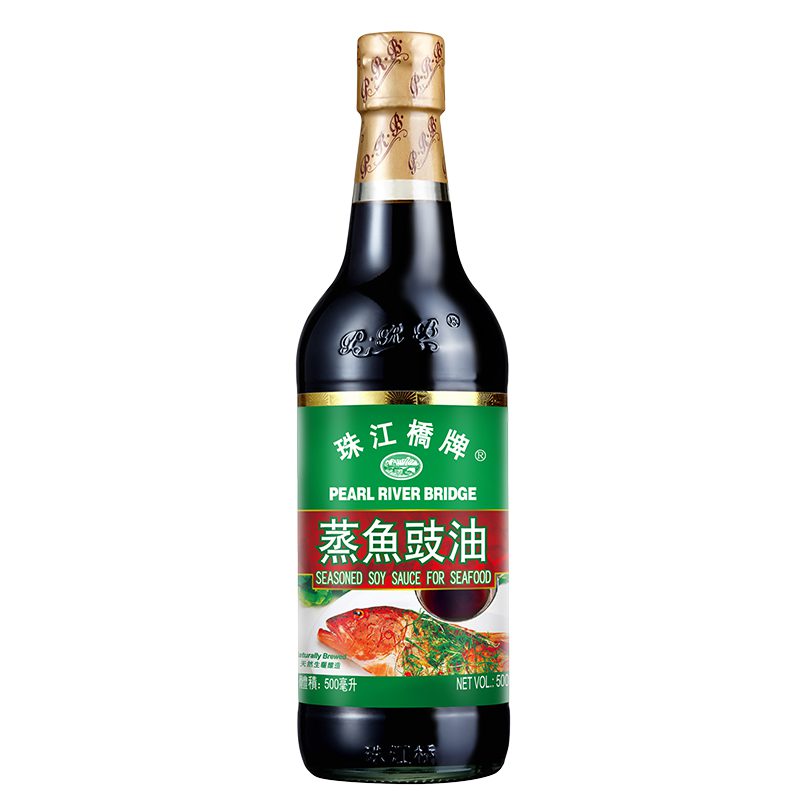
A comprehensive soy sauce buying guide transforms your procurement strategy from guesswork into a precise system. You need clear metrics, reliable partners, and robust tracking mechanisms. These three components work together to maximize your savings and maintain consistent quality across every dish.
Your first step involves measuring your actual consumption. Review your purchase records from the past three to six months. Count every bottle, pail, or drum of light, dark, and seasoned soy sauce you ordered. Divide that total by the number of months in your review period. This calculation gives you your baseline monthly usage.
Consider your menu's seasonal variations. A restaurant that serves more stir-fries in winter or more dipping sauces in summer will see usage fluctuate. Track these patterns carefully. Your baseline should reflect your busiest months, not just your average. Ordering too little forces emergency retail purchases at premium prices. Ordering too much ties up capital and risks spoilage.
Your storage capacity also determines your maximum order size. Measure your dry storage area and calculate how many 5-gallon pails or 55-gallon drums you can accommodate. Match your order quantity to both your usage rate and your available space. A typical high-volume kitchen might order a 55-gallon drum of light soy sauce every quarter. A smaller operation might prefer 5-gallon pails on a monthly schedule.
Your choice of supplier determines your product quality, delivery reliability, and pricing structure. Start by verifying certifications. Look for HACCP, ISO, and FDA compliance documentation. These credentials demonstrate a commitment to food safety and quality control. Request audit reports and inspection records to validate their claims.
Evaluate potential suppliers against concrete performance metrics. The table below outlines the key indicators you should track.
|
KPI |
Industry Benchmark |
Why It's Important |
|---|---|---|
|
On-Time Delivery Rate |
≥95% |
Prevents disruptions in your supply chain |
|
First-Time Sample Approval |
≥90% |
Shortens product development timelines |
|
Average Response Time |
< 24 hours |
Speeds up communications and approvals |
|
Batch Consistency Index |
≥99% |
Maintains flavor and quality across batches |
Ask for samples before committing to a large order. Test each sample against your recipes and quality standards. Confirm that the flavor profile matches your expectations. Inquire about their minimum order quantity and whether they offer trial orders. A reputable supplier will accommodate a small initial purchase to prove their value.
Negotiation requires preparation. Begin with a phased ordering approach. Place a small first order to validate product quality, packaging, and logistics. Once you confirm their performance, scale up your volume. Use your growing commitment as leverage for better pricing. Negotiate for flexibility on minimum order quantities across different soy sauce varieties in exchange for a longer-term contract. Formalize expectations with service-level agreements that specify fill rates, lead-time adherence, and quality release protocols. Establish a schedule for regular commercial reviews to track fill rate, lead time variance, claim rate, and cost variance. These reviews keep the supplier relationship aligned with your business goals.
Your inventory system prevents stockouts and overstocking. A manual spreadsheet works for small operations. Larger kitchens benefit from dedicated inventory management software. Either approach requires the same core components.
Set reorder points for each soy sauce variety. Calculate this number based on your lead time and daily usage rate. If your supplier takes five days to deliver and you use two gallons per day, your reorder point sits at ten gallons. Add safety stock to absorb unexpected fluctuations. A buffer of 20% above your calculated reorder point protects against delivery delays or sudden demand spikes.
Automate your reordering process whenever possible. Inventory management software can trigger purchase orders automatically when stock reaches your predefined level. This automation reduces human error and ensures you never run dry. The software also forecasts demand based on historical trends, seasonality, and other preset conditions. You gain complete visibility into your usage patterns across all three soy sauce varieties.
Implement the first-in, first-out method without exception. Label every container with its delivery date. Store newer stock behind older stock. This practice minimizes spoilage and ensures your kitchen always uses the freshest product. Conduct regular inventory audits to verify your physical count matches your system records. Schedule these audits weekly for high-usage items like light soy sauce and monthly for slower-moving varieties.
Track your sell-through rate for each soy sauce type. This metric tells you how quickly you consume each product. A high sell-through rate justifies larger orders. A low rate signals overstocking or a menu item that isn't performing. Adjust your order quantities accordingly. Your inventory system becomes a decision-making tool that drives continuous improvement in your procurement strategy.
The most effective inventory systems combine automated reordering with regular physical audits. Technology prevents errors, but human verification catches discrepancies that software might miss.
Your soy sauce buying guide should also include a review schedule. Evaluate your supplier's performance quarterly. Assess your inventory accuracy monthly. Recalculate your usage rates every six months. These periodic reviews keep your system responsive to changing conditions. Your restaurant maintains optimal stock levels, minimizes waste, and maximizes the cost savings from bulk purchasing.
Bulk purchasing delivers four measurable financial advantages: lower per-unit cost, reduced ordering frequency, minimized waste through proper storage, and consistent quality that protects your brand. Even small restaurants achieve meaningful savings by starting with a simple usage audit and scaling gradually. Compare your current per-ounce cost against bulk pricing from reputable suppliers. Conduct a 30-day usage audit, identify your top soy sauce types, and request quotes from at least two bulk suppliers. You will see your potential savings while maintaining the quality your signature dishes demand on your menu.
You can reduce your per-ounce cost by 20–40% immediately. A restaurant using 15 gallons monthly saves approximately $300–$600 per month. Annual savings reach $3,600–$7,200. These figures depend on your volume tier and supplier negotiation.
Unopened bulk soy sauce maintains quality for up to three years. Once opened, refrigerate it and use within one month for optimal flavor. Low-sodium varieties require refrigeration after opening and last three months. Always check the manufacturer's expiration date.
No special equipment is required. Store containers in a cool, dry cabinet away from heat sources and direct sunlight. Use a food-grade pump or ladle for dispensing. Keep containers tightly sealed after each use to prevent oxidation and contamination.
Verify certifications like HACCP, ISO, and FDA compliance. Request samples before committing to large orders. Evaluate their on-time delivery rate, batch consistency, and response time. Start with a small trial order to validate quality and logistics before scaling up.
Yes, most suppliers allow mixed pallets. You can order light, dark, and seasoned varieties in one shipment. This approach maximizes shipping efficiency and simplifies receiving. Confirm minimum order quantities for each variety with your supplier before placing the order.
 Abonnez-vous à notre newsletter pour rester à l'écoute



 IPv6 RÉSEAU PRIS EN CHARGE
Hi! Click one of our members below to chat on

 Livres de recettes
 PRB Soy Sauce Museum
 français
 English
 français
 русский
 español
 العربية