laisser un message
Si vous êtes intéressé par nos produits et souhaitez en savoir plus, veuillez laisser un message ici, nous vous répondrons dès que possible.
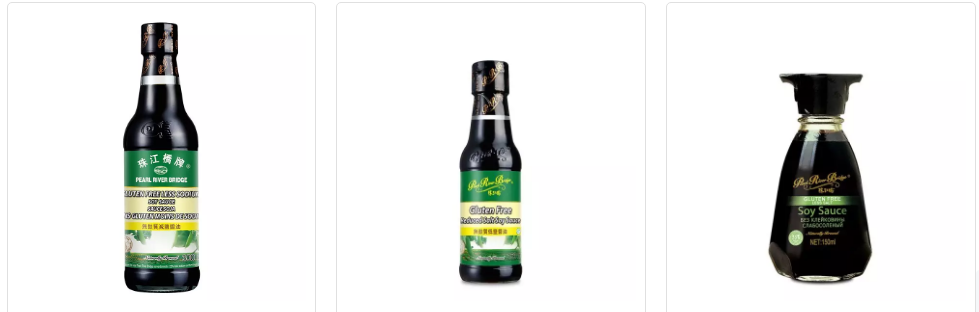
Sauce soja à faible teneur en sodium C'est un choix plus sain pour la plupart des gens. Elle contient généralement de 25 à 50 % de sodium en moins que la sauce soja classique, certaines en réduisant même la teneur en sodium de 75 à 92 %. Beaucoup craignent qu'une sauce soja à faible teneur en sodium soit moins savoureuse, mais la sauce soja sans gluten et à faible teneur en sel de Pearl River Bridge conserve toute sa richesse en umami. Cet article compare les teneurs en sodium, explique les bienfaits pour la santé et propose des conseils pratiques pour l'utiliser en cuisine.
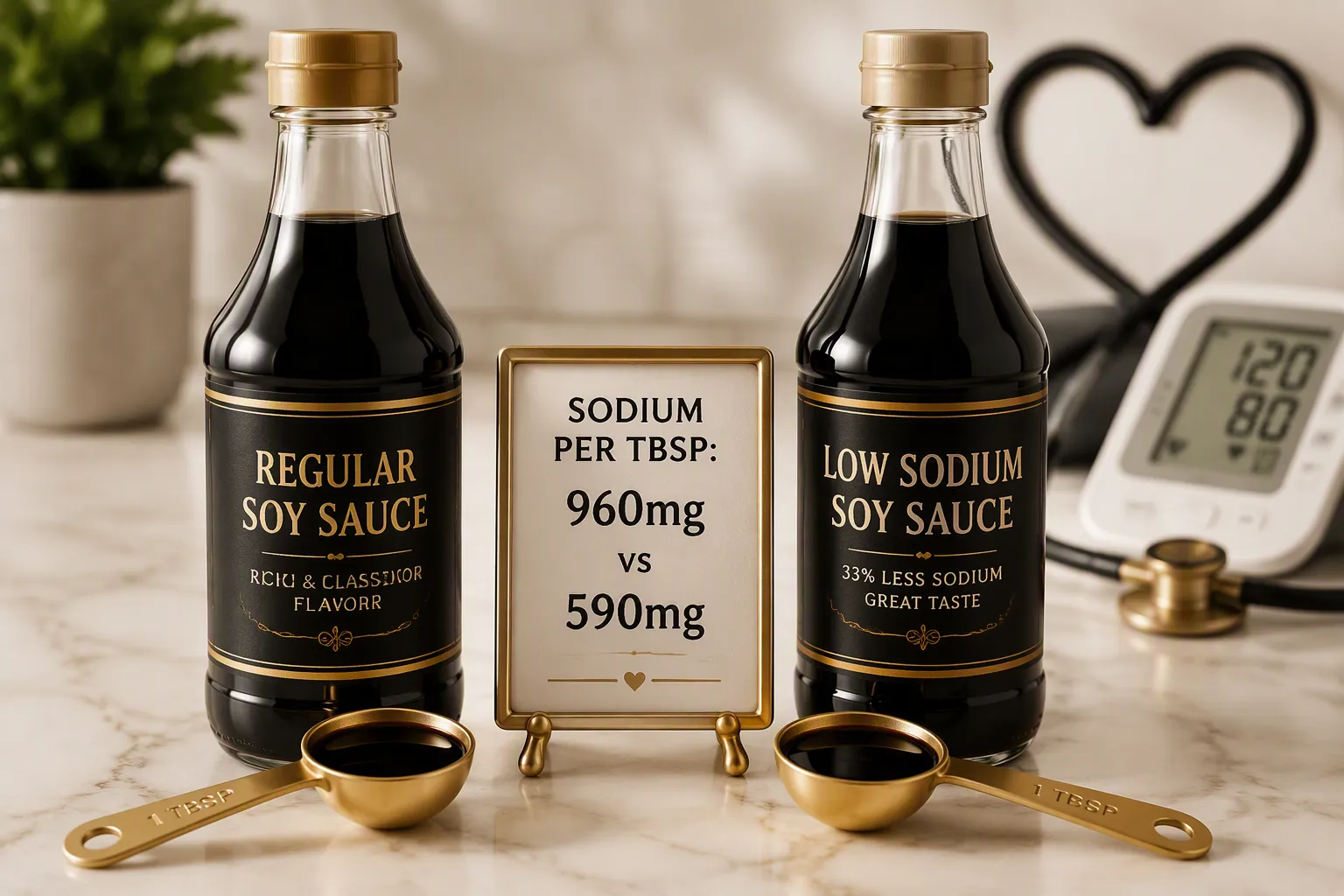
La raison la plus convaincante de changer de sauce soja réside dans les chiffres. La sauce soja classique contient environ 900 à 1 000 mg de sodium par cuillère à soupe, soit une part importante de l'apport quotidien recommandé. La sauce soja à teneur réduite en sodium, en revanche, n'en contient que 400 à 600 mg par cuillère à soupe. Cette réduction représente une diminution de 25 à 50 %, certaines sauces soja spéciales réduisant même la teneur en sodium de 75 à 92 %. À titre d'exemple, prenons la gamme de produits Kikkoman : leur sauce soja classique contient 960 mg de sodium par cuillère à soupe, tandis que leur version à teneur réduite en sodium en contient 590 mg. Ce simple changement permet d'économiser 370 mg de sodium par portion.
Pearl River Bridge offre une excellente alternative pour ceux qui recherchent à la fois une teneur réduite en sodium et une alimentation sans gluten. Sauce soja sans gluten et à faible teneur en sel Ce produit offre une saveur fermentée authentique sans ingrédients à base de blé, ce qui le rend idéal pour les personnes atteintes de la maladie cœliaque ou sensibles au gluten. Il bénéficie du même processus de fermentation traditionnel de 100 jours que nos produits standards, garantissant ainsi que la réduction de sel n'altère pas la complexité de son profil umami. Pour les consommateurs confrontés à plusieurs restrictions alimentaires, cette option doublement avantageuse simplifie les courses sans compromis sur la qualité.
Type de sauce soja | Sodium par cuillère à soupe |
|---|---|
Régulier | 900-1000 mg |
Faible teneur en sodium | 400-600 mg |
Kikkoman Regular | 960 mg |
Kikkoman moins de sodium | 590 mg |
La consommation excessive de sodium affecte directement la fonction cardiovasculaire par un mécanisme bien documenté. Lorsque le taux de sodium augmente dans le sang, l'organisme retient l'eau pour maintenir son équilibre hydrique. Cette augmentation du volume sanguin exerce une pression supplémentaire sur les parois artérielles, ce qui élève la pression artérielle et oblige le cœur à travailler davantage à chaque battement. À terme, cette contrainte endommage les vaisseaux sanguins, accroît le risque d'athérosclérose et contribue à l'hypertension, aux maladies cardiaques et aux accidents vasculaires cérébraux.
Réduire sa consommation de sodium, même de 25 à 50 %, peut améliorer sensiblement la gestion de la tension artérielle. L’Organisation mondiale de la Santé recommande de limiter la consommation de sodium à moins de 2 000 mg par jour pour les adultes, or la plupart des gens en consomment bien davantage. Remplacer la sauce soja classique par une version à faible teneur en sodium dans la cuisine quotidienne constitue une mesure simple et pratique pour atteindre cet objectif. Chez les personnes souffrant déjà d’hypertension, ce changement peut compléter les traitements prescrits et potentiellement réduire la posologie des médicaments sous surveillance médicale.
Outre ses bienfaits pour la santé cardiovasculaire, une consommation réduite de sodium est associée à un risque moindre de cancer de l'estomac et de maladies rénales. Un excès de sodium endommage la muqueuse gastrique, augmentant ainsi la susceptibilité à l'infection par Helicobacter pylori et, par conséquent, le risque de cancer. De même, les reins doivent fournir un effort accru pour éliminer le sodium en excès, ce qui accélère le déclin de la fonction rénale chez les personnes souffrant déjà d'insuffisance rénale. L'OMS cite ces liens dans ses stratégies mondiales de réduction du sodium, soulignant que des réductions à l'échelle de la population permettraient d'éviter des millions de décès chaque année.
Pour les consommateurs soucieux de leur santé et recherchant des avantages supplémentaires liés à une étiquette propre, Sauce soja biologique Elle offre une garantie supplémentaire. La sauce soja biologique Pearl River Bridge est élaborée à partir de soja et de blé issus de l'agriculture biologique, sans pesticides ni engrais de synthèse. Ce choix séduira les consommateurs soucieux de réduire leur consommation de sodium et de privilégier les pratiques agricoles durables. Associées à des formulations à teneur réduite en sodium, les variétés biologiques constituent une solution complète pour un assaisonnement plus sain.
La sauce soja à faible teneur en sodium offre un profil légèrement plus doux. Son piquant salé s'atténue, tout en préservant l'umami et le caractère fermenté du soja. Les marques haut de gamme conservent cette complexité grâce à des méthodes traditionnelles. Pearl River Bridge utilise un processus de fermentation naturelle de 100 jours, qui maintient un arôme riche et complexe, même avec une teneur réduite en sel. Cette technique garantit à la sauce une profondeur qui va bien au-delà de sa simple salinité.
Dans les plats cuisinés, la différence est souvent imperceptible. La chaleur et les autres ingrédients masquent la légère diminution du sel. Un sauté de légumes à l'ail, au gingembre et autres ingrédients absorbe la saveur de la sauce sans que cela ne soit perceptible. Pour les sauces à tremper où le sel est le seul ingrédient, le changement est plus évident. Cependant, la plupart des cuisiniers amateurs trouvent l'ajustement mineur et s'y adaptent rapidement.
L'utilisation de sauce soja à faible teneur en sodium ne nécessite que peu d'adaptation. La plupart des recettes acceptent un remplacement à parts égales sans autre modification. Les marinades, les sautés et les braisés en bénéficient particulièrement, car des ingrédients complémentaires comme l'ail, le gingembre et les épices apportent leurs propres saveurs. La réduction de sel permet à ces éléments de s'exprimer pleinement.
Pour les plats où le sel est la saveur dominante, comme les sauces simples, on peut ajouter une pincée de sel ou un filet de sauce soja. Cette méthode permet d'équilibrer les saveurs sans renoncer à une option plus saine. Les restaurants y ont souvent recours pour garantir une qualité constante tout en proposant des plats plus légers.
La gamme de produits Pearl River Bridge se prête à de nombreuses applications culinaires. Leur sauce soja sans gluten à faible teneur en sel est idéale pour l'assaisonnement quotidien, tandis que la sauce soja biologique séduira les adeptes d'une alimentation saine et naturelle. Pour les plats nécessitant une couleur plus intense ou des notes aromatiques spécifiques, la sauce soja claire supérieure Pearl River Bridge offre un goût savoureux de première extraction, parfait pour les trempettes et les sautés. Les chefs professionnels apprécient cette variété pour sa saveur constante, même à haute température. L'association de ces produits permet d'obtenir des résultats subtils sans excès de sodium.
La sauce soja à faible teneur en sodium est une option plus saine sans compromis sur la saveur. Une réduction de 25 à 50 % du sodium contribue à une meilleure tension artérielle, diminue les risques de maladies cardiovasculaires et protège contre le cancer de l'estomac et les problèmes rénaux. Les marques haut de gamme comme Pearl River Bridge préservent l'umami grâce à une fermentation traditionnelle. Utilisez-la dans vos prochains sautés ou marinades pour une cuisine savoureuse et plus saine.
Oui, on peut l'utiliser à parts égales dans la plupart des plats. Les marinades, les sautés et les braisés absorbent bien sa saveur. Pour les sauces où le sel domine, ajoutez une pincée de sel pour équilibrer le goût.
Non. Les marques haut de gamme comme Pearl River Bridge utilisent une fermentation traditionnelle de 100 jours. Ce procédé préserve la richesse de l'umami et la complexité des arômes. La légère amertume salée devient imperceptible dans les plats cuits.
Les personnes souffrant d'hypertension, de maladies cardiaques ou de problèmes rénaux en tirent un bénéfice significatif. Celles qui sont sensibles au gluten devraient choisir Sauce soja sans gluten et à faible teneur en selLes adeptes des produits naturels pourraient préférer Sauce soja biologiquePour une cuisine polyvalente, Sauce soja légère supérieure offre une profondeur savoureuse de première extraction.
 Abonnez-vous à notre newsletter pour rester à l'écoute



 IPv6 RÉSEAU PRIS EN CHARGE
Hi! Click one of our members below to chat on

 Livres de recettes
 PRB Soy Sauce Museum
 français
 English
 français
 русский
 español
 العربية